
Crafting the Experience of Place
IN CONVERSATION WITH DOMINIKA KUSTOSZ-LEE, CEO & FOUNDER OF DKL & CO
Why does cultivating cultural context in a space allow the body to carry the memory of a place more deeply?
BY INES LULKOWSKA
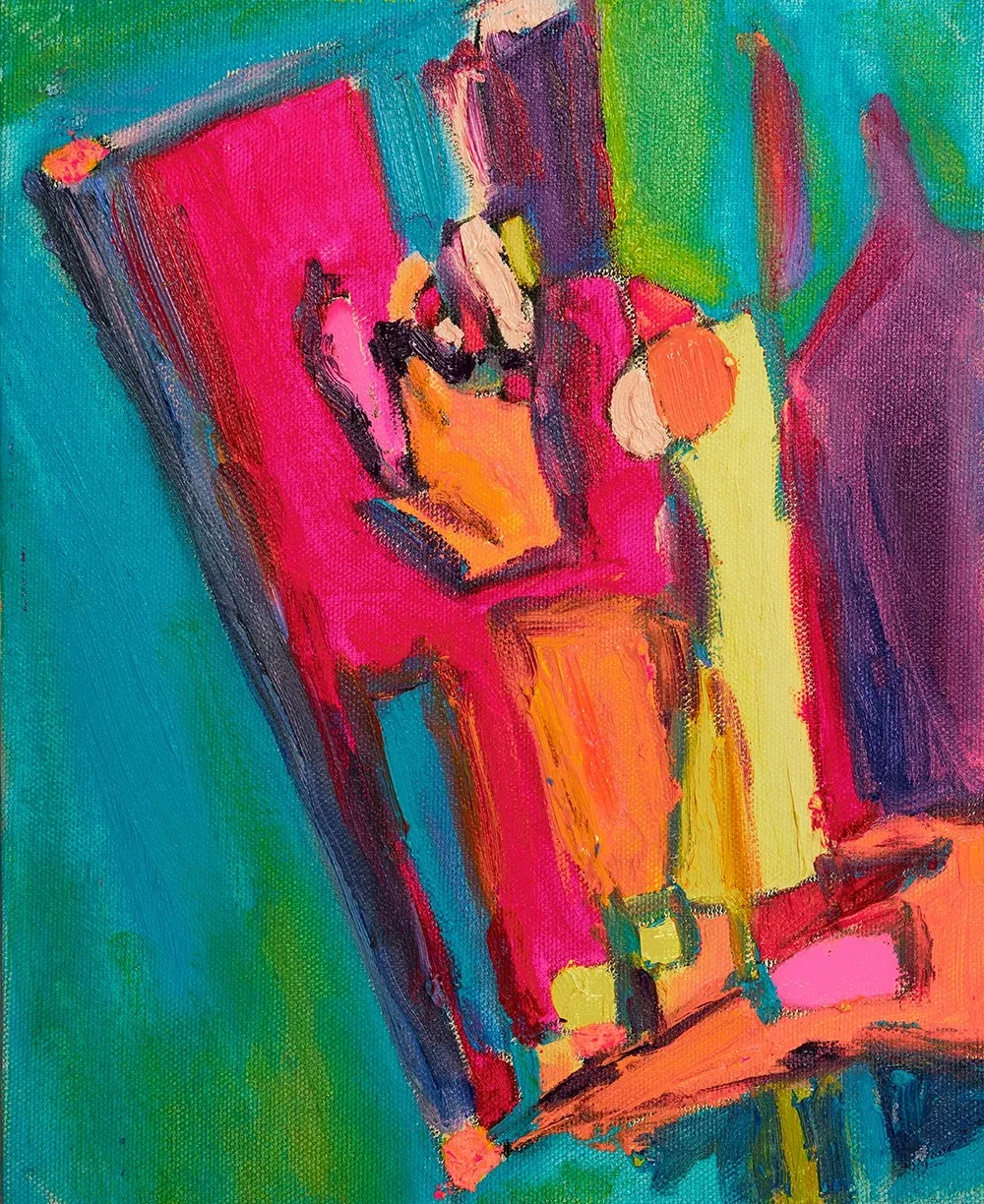
Because coherence and consistency in a space give the body a point of reference, one it can navigate through more easily by feeling.
When all the layers of a place, its culture, architecture, materials, art, light, scent, and the way it functions remain in agreement with one another, the body doesn’t have to constantly decode the space. It recognizes its language. A place that consciously cultivates the art and culture native to it becomes its natural extension. Geography and interior speak the same language. This continuity creates a sense of predictability, and it lets the body rest. In a space that remains culturally disconnected from its context, a sense of incoherence appears instead. The body loses its point of reference, and instead of experiencing, it begins to navigate.
This is exactly why cultural context is not decoration, it is part of the architecture of experience.

Hotel spaces are, by their very nature, a cultural bridge and vessel. This is why I believe a hotel should not exist alongside its location, but as its conscious continuation.
Every destination carries its own identity. It is formed by the landscape, history, light, materials, craft, art, and the way its people live. When these elements are captured and drawn into a coherent whole, something far stronger emerges than the aesthetic sum of its parts. What emerges is an experience free of disorienting friction, instead, there is feeling and sensation, held by the body, that call it back to that place long after leaving it.
Art is one of the deepest carriers of this experience. Not as decoration added to an interior, but as a living fragment of culture that allows a relationship with the place to form. In its essence, art holds the capacity to bring emotion into a space - joy, wonder, excitement, tenderness and this is precisely why it can become part of an experience that reaches beyond aesthetics alone.
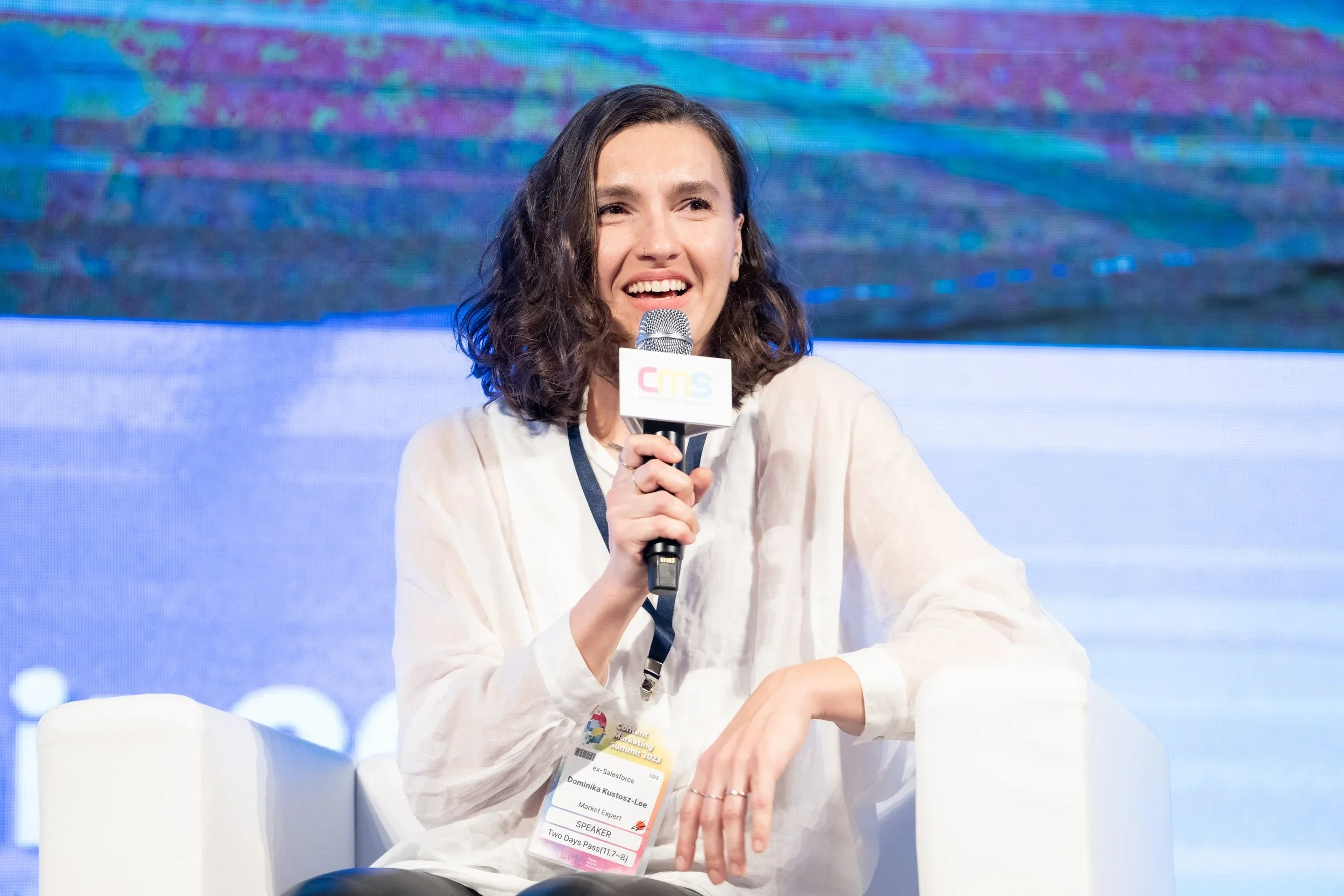
Dominika Kustosz-Lee helps global luxury brands build meaningful relationships with Korean customers through contemporary culture and the local art community. As both a cultural connector and a painter herself, she brings a unique perspective from both sides. Her deep understanding of the Korean art scene allows her to thoughtfully connect artists and luxury brands, finding a common language where both can meet in a way that feels natural, relevant and coherent.
Our conversation about the role of art and culture in shaping the atmosphere of a place and the way it is experienced led me to one clear conclusion: art is a form of luxury discovered not through display, but through experience.
Perhaps this is where art holds one of its greatest powers. It can interrupt the ordinary and awaken curiosity. It can remind us of something very simple that we sometimes lose in the everyday life: the ability to feel joy.
“Travel can be one of the few moments when we allow ourselves to be truly present – to notice our surroundings, engage openly, and absorb the beauty around us. Art helps us create a meaningful dialogue with another culture as it evokes curiosity, it gently invites us to question the world as we know it.”
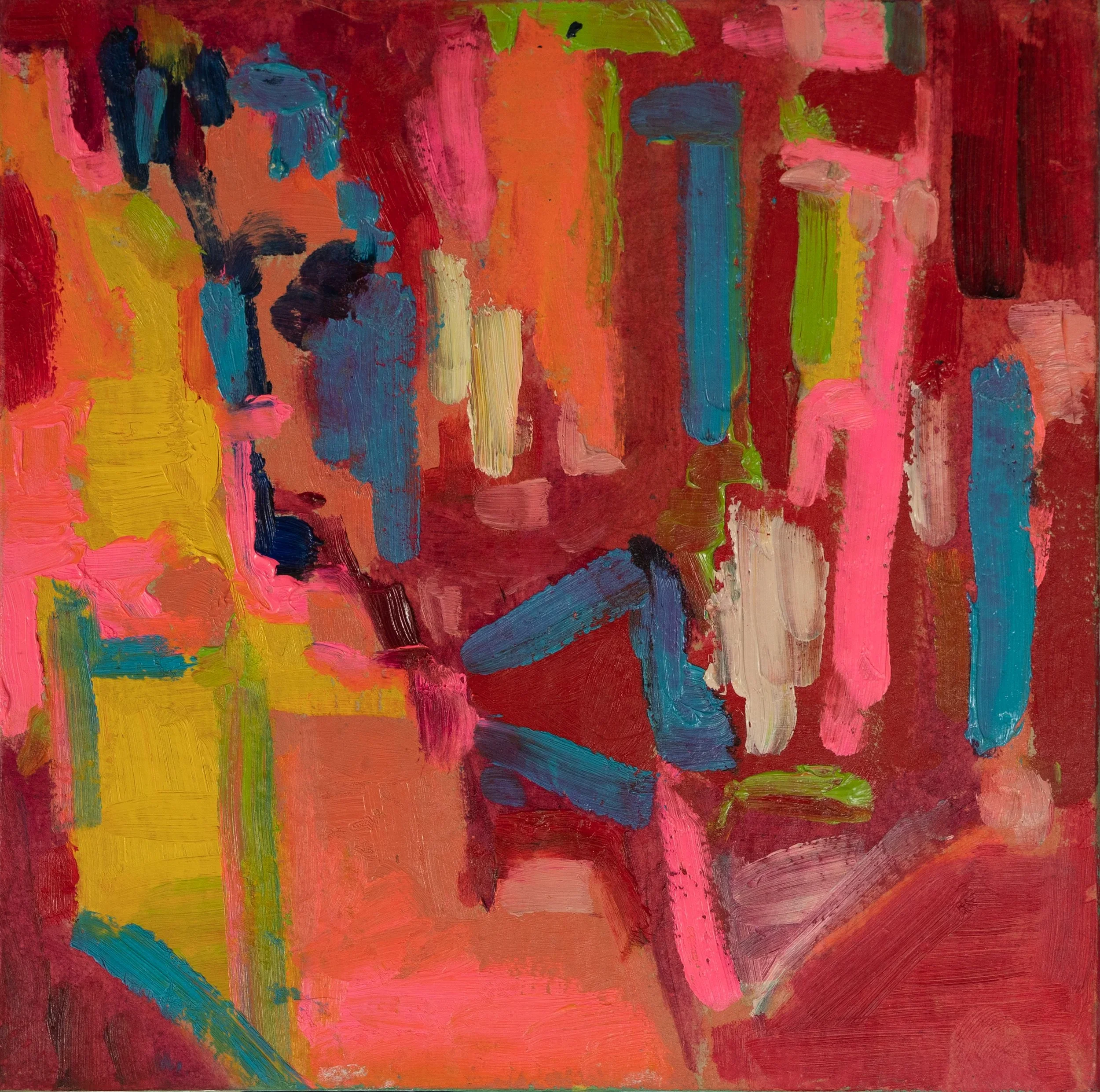
And perhaps this is what truly exceptional hospitality leaves behind. Not a room remembered in every detail. Not a collection of beautiful objects.
But the sense that, for a brief moment, everything was exactly where it belonged.
Words by Ines Lulkowska
Photography by Dominika Kustosz-Lee, courtesy of Studio dkl
