
Crafting the Experience of Place
IN CONVERSATION WITH DOMINIKA ROSLON, CO-FOUNDER OF ADÈLE COLLECTIONS
Why do materials touched by the human hand evoke such profound and fundamentally different sensory experiences from those produced through repetitive industrial processes?
BY INES LULKOWSKA
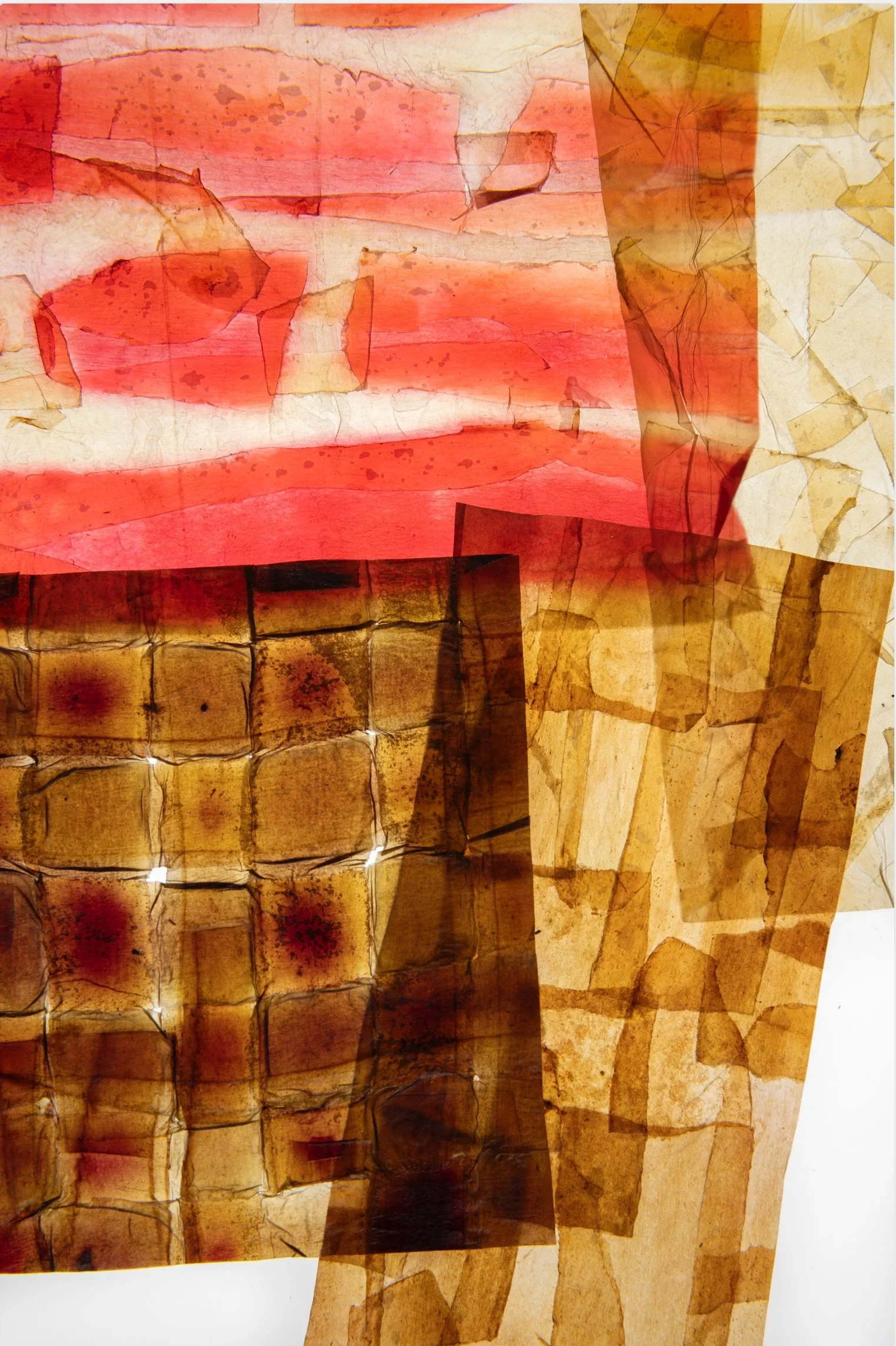
Because they possess the ability to shape the emotional identity of a place. They create an invisible layer of experience, one that is capable of being inscribed into the body's memory. Crafted with care by local artisans and family workshops, they bring depth, narrative, and a way of experiencing space that resonates on a cellular level. They make a place unique and impossible to replicate, heightening our sensitivity while quietly educating the body through its encounter with texture, colour, scent, and the way a material absorbs, reflects, or transmits light.
Hotels, by their very nature, are cultural bridges and carriers of local heritage. They provide a natural environment for craftsmanship, artisanal knowledge, quality, and precision. When created authentically, they become spaces capable of educating the body while shaping aesthetic awareness and sensitivity. When conceived consciously, they allow people, their senses, perception, and needs to become the true centre of the experience.
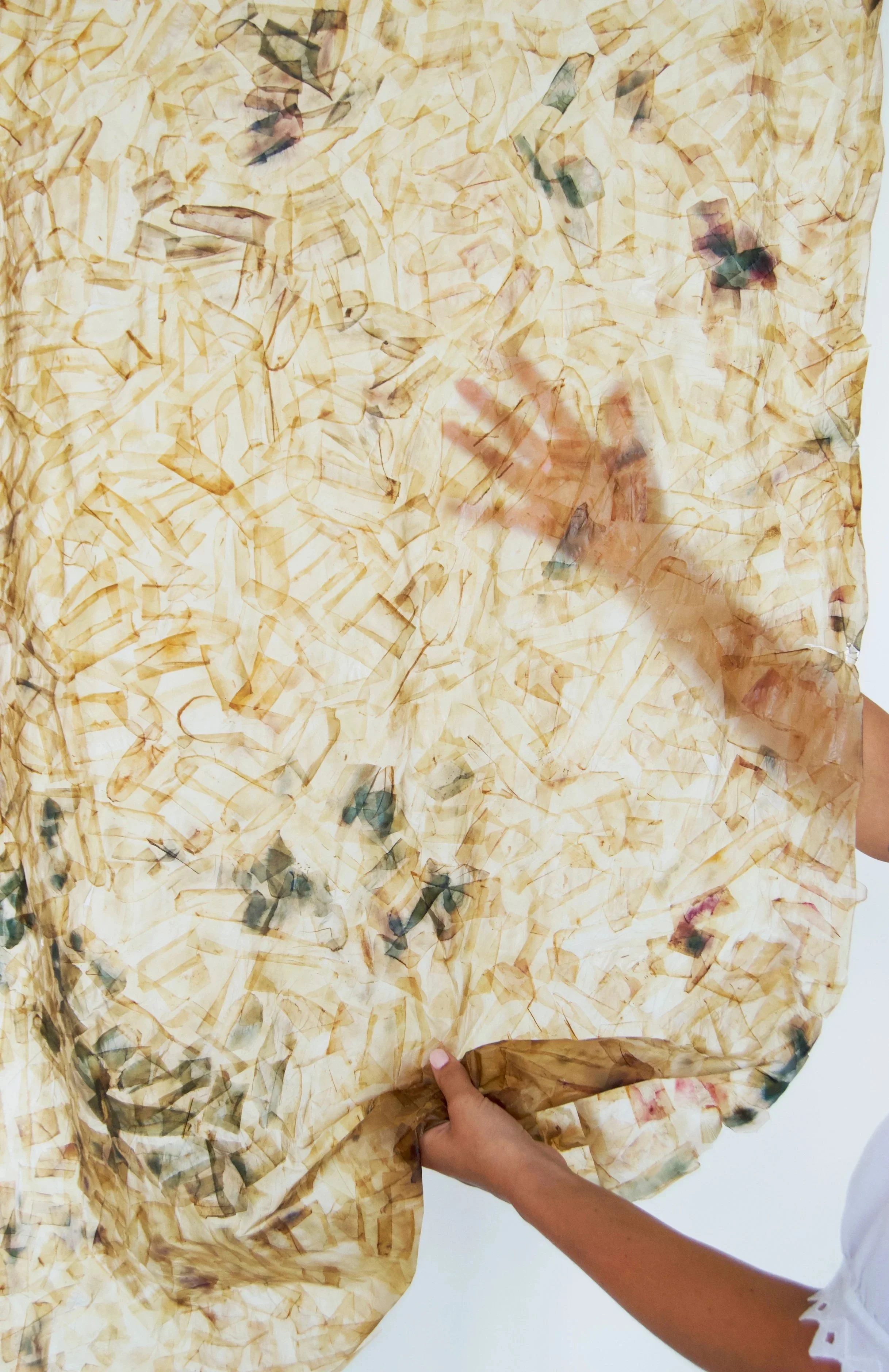
For this reason, especially in hospitality, it is essential that the feelings and emotions the body registers and stores on a cellular level remain connected to a place long after the physical experience has ended.
This is where quality becomes the defining value. Not only the quality of craftsmanship, but above all the quality of relationships, belonging, and emotional depth.
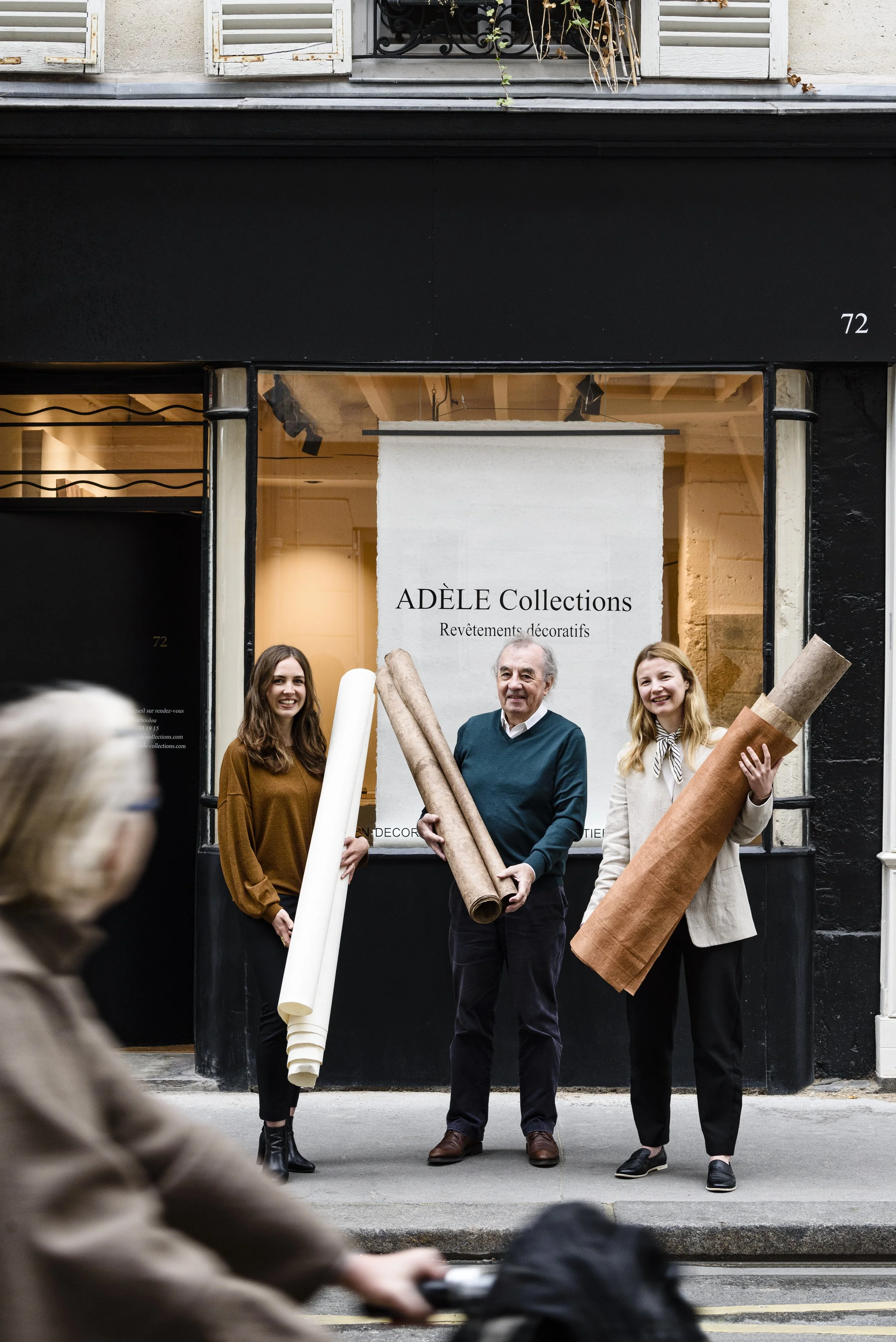
We have known with Dominika Roslon, who co-create ADÈLE Collections together with Lucien Tourtoulou and Gabrielle de Cocatrix, for many years. We share a similar sensitivity and way of seeing, as well as a deep appreciation for the value of craftsmanship.
The materials they curate, entirely handmade, from Japanese kozo fibres to woven textiles sourced in South America - embody this philosophy. By seeking them out directly from local artisans and small family workshops, they preserve the significance of uniqueness, authenticity, and the maker's personal engagement in the creative process.
Our many conversations about the role of craftsmanship in shaping the atmosphere of a place and the way it is experienced have led me to one clear conclusion: craftsmanship is a form of luxury discovered not through display, but through experience. It reveals itself in the quality of its making, in the way it ages, in how it settles naturally into the hand, and in the way light meets its surface.
“Our story is, above all, a story of human connections and the relationships we cherish. We’re passionate about craftsmanship and unique natural materials. We celebrate imperfections, that’s where we find the mark of the maker’s hand, to us, it’s the true seal of authenticity. Our showroom is a place of inspiration, designed as a space for dialogue and for the exchange of ideas. It is an invitation to a sensory journey through a world of authentic, handmade materials. Our collections serve to create interior projects that promote well-being and reconnection with what surrounds us.”
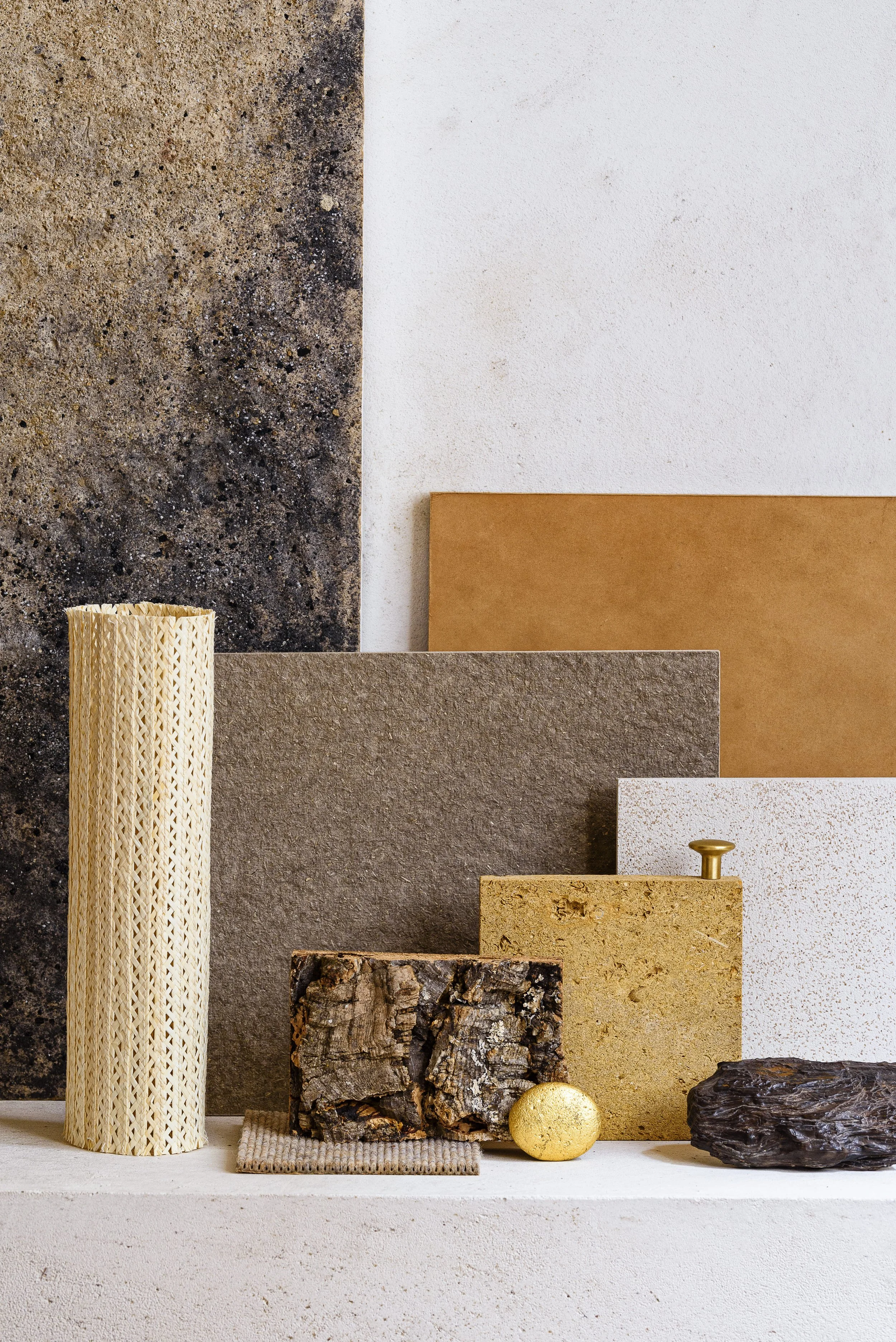
Hospitality spaces, in turn, hold a unique potential to cultivate this understanding of luxury.
Through relationships, emotion, and the memories that become embedded within the body's cellular memory.
Words by Ines Lulkowska
Photography by Corinne Jamet, courtesy of ADÈLE Collections
