
Crafting the Experience of Place
IN CONVERSATION WITH PIERRE-YVES COLOMBEL, REPRESENTATIVE OF NIPPON KODO
Why does scent allow us to return to the memory of a place or a moment long after the experience itself has passed?
BY INES LULKOWSKA
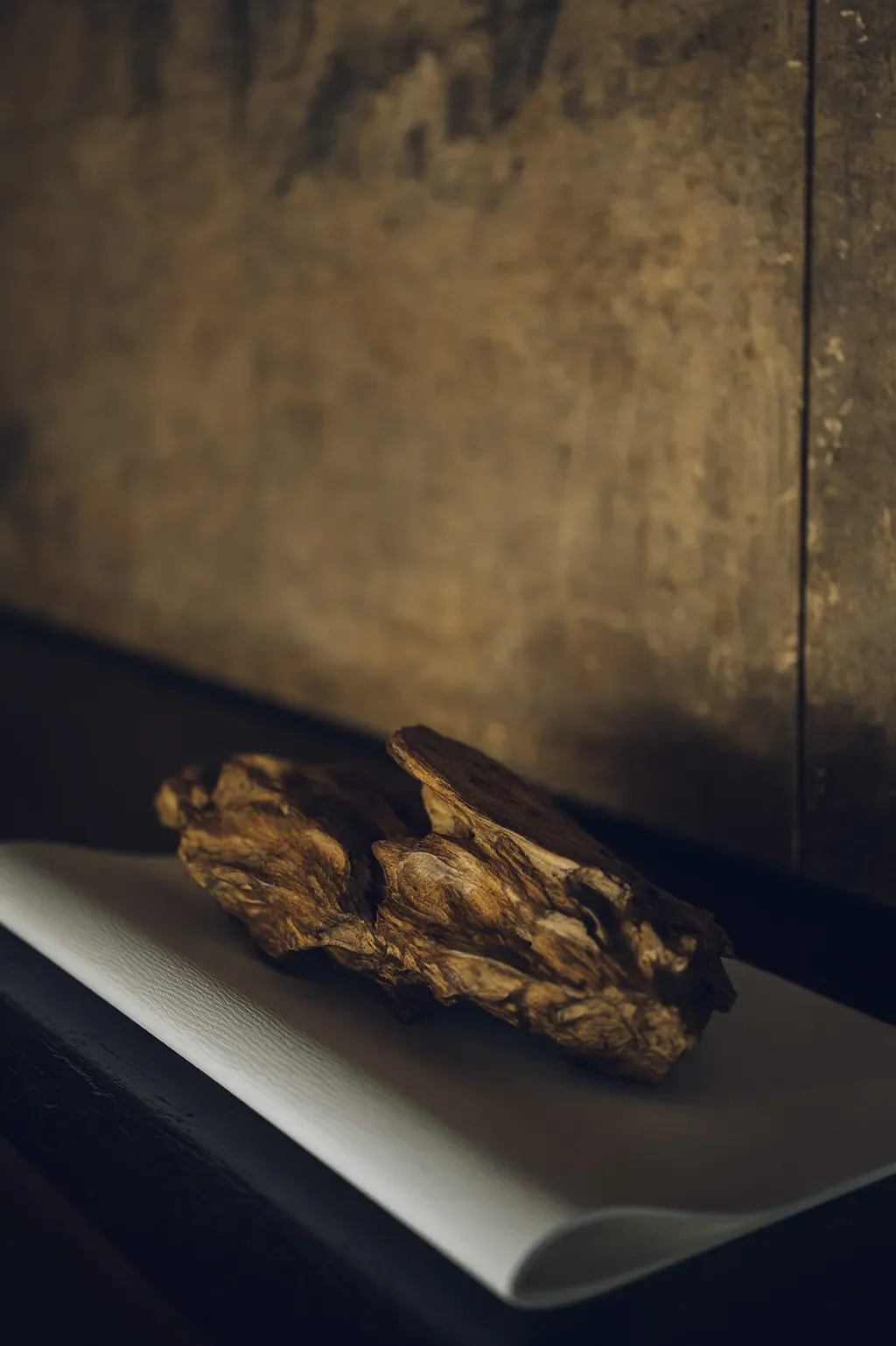
Because it is our most powerful carrier of emotion, one that becomes embedded in the body on a cellular level. An invisible layer capable of creating depth, memory, and a physical experience of space, scent strengthens atmosphere while anchoring our presence within it. Its profound connection to the brain's limbic system gives fragrance the unique ability to evoke emotion and awaken what is often referred to as olfactory memory.
When I think back to a walk along the Kamo River in Kyoto on a warm May afternoon, I do not remember the architecture or the colours of the buildings. What remains with me is the scent of Jasmine that accompanied me throughout the journey. Together with the shimmering surface of the river and the stillness of a grey heron, it sent a shiver through my body.
In a world where scent has become increasingly intense and overpowering in the pursuit of product recognition and status, we often forget its true nature. Scent is our most intimate sensory experience. Remaining so close to the body, it permeates our perception and imprints itself far more deeply than conscious memory alone.
This is why, whenever I think of scent, I am drawn to the Japanese art of Kōdō: the Way of Incense.
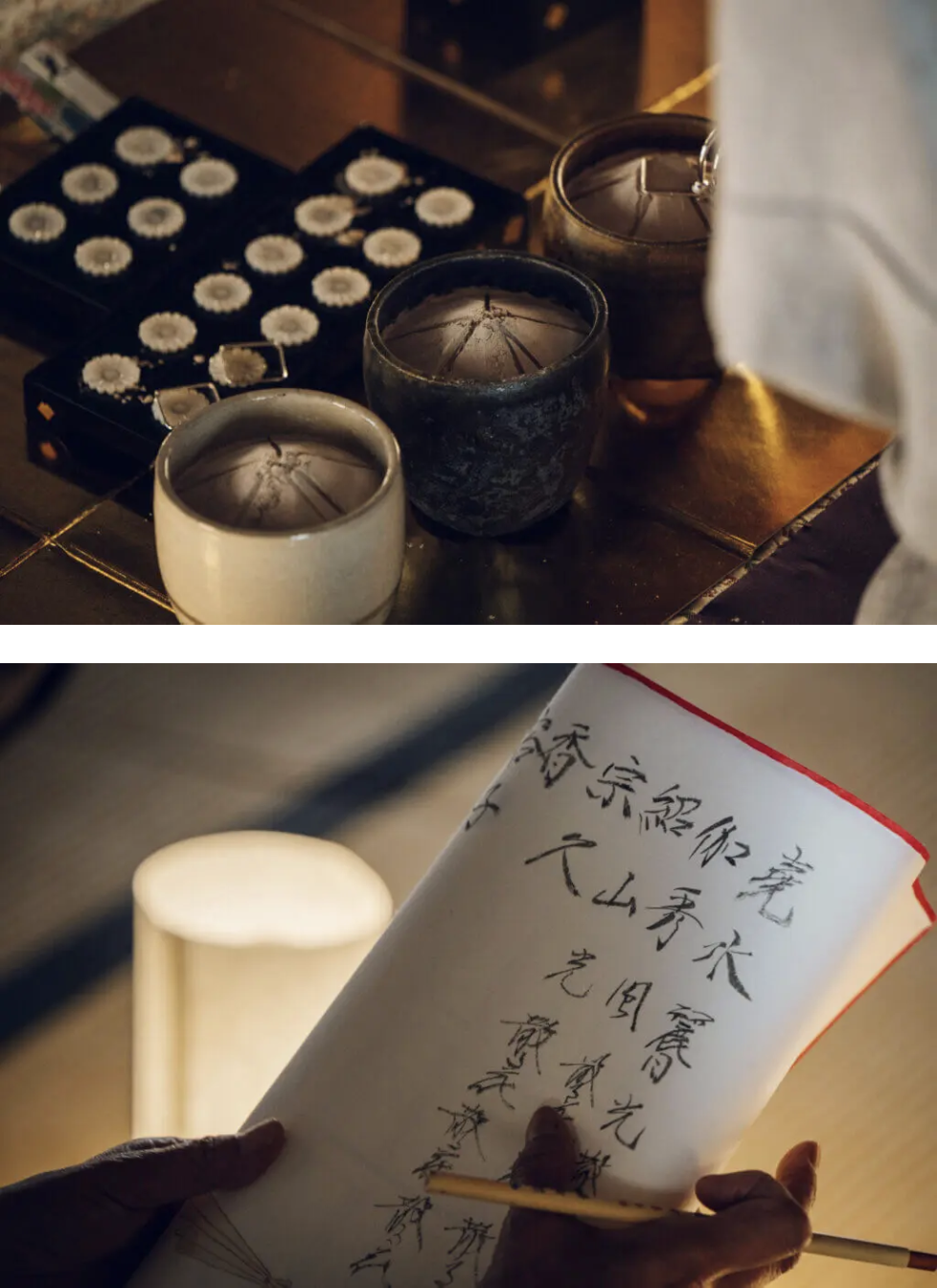
In Kōdō, "listening to incense" means experiencing fragrance with both the body and the spirit. It is not simply a ritual, but a way of perceiving the world. It is a practice in which scent becomes a space for presence, attentiveness, and contemplation. Rather than ending with the fragrance itself, it invites a deeper encounter with scent as a vessel of culture, memory, and emotion.
In doing so, the very idea of "listening to scent" transforms our perception of fragrance, freeing it from the notion that it exists solely to be smelled.

I met Pierre while experiencing this discreetly preserved Japanese art under the guidance of a master of School of Kōdō. Pierre represents Nippon Kodo, a Japanese manufacturer of high-quality incense with a distinguished tradition spanning more than four centuries.
In Japanese culture, scent is regarded as one of the deepest connections to the human soul, while the practice of Kōdō itself is seen as a voice that speaks directly to it. Within this practice, scent is no longer experienced as a fleeting aroma but as a medium for presence. It deepens sensory awareness, quiets the mind, and allows the body to encounter place with greater sensitivity.
“For me, what matters most is fresh air. Its quality, its circulation. Air is life. Only then can scent, used from time to time, become nourishment for the soul.”
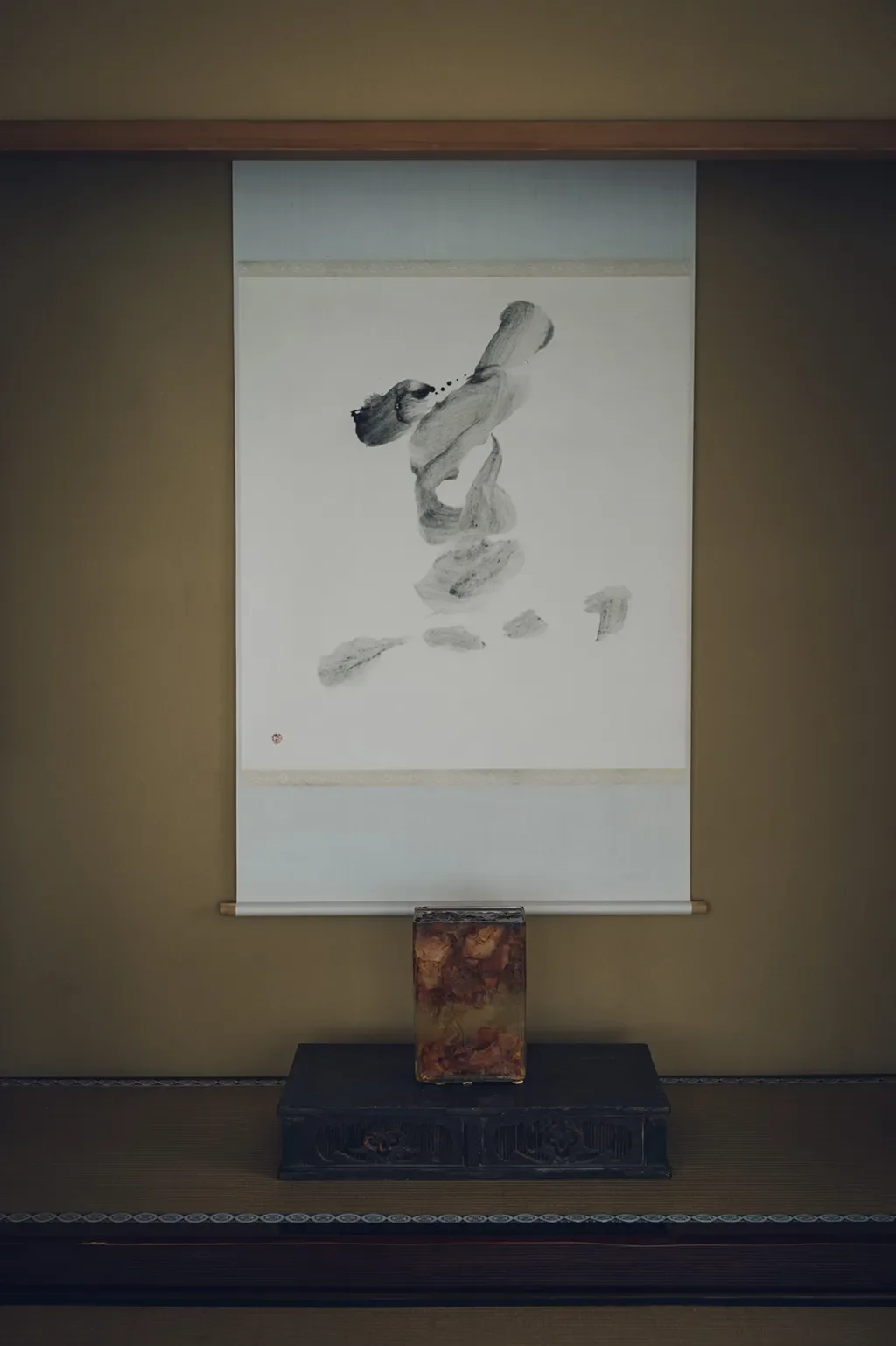
Our conversation about scent as a carrier of memory and emotion led me to one clear conclusion: more often than not, the strongest memory we retain of a place is its scent. It allows us to step back into a moment even when the visual details have long since faded. While the eye may forget architecture, colour, or form, scent preserves the atmosphere of a place and the way it made us feel.
Perhaps then, the role of scent in hospitality is not to create a signature fragrance, but to create the conditions in which scent can become part of the experience. An experience rooted in atmosphere, presence, and the quiet relationship between the body and the place.
Words by Ines Lulkowska
Photography courtesy of Nippon Kodo
